
Want more Loyal Shoppers? Here’s what TikTok Shop and Whatnot are doing right
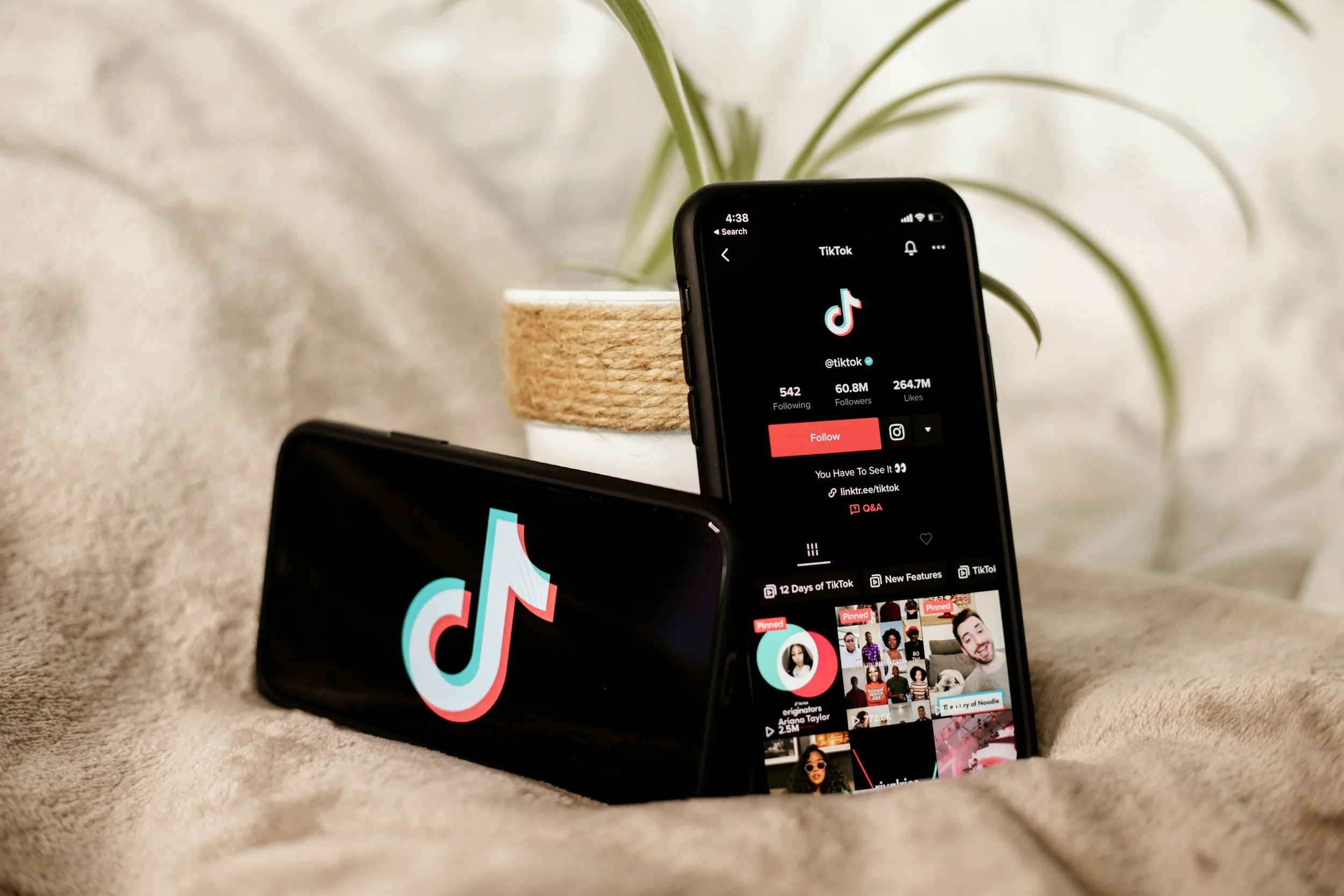
Before TikTok and Whatnot were household names, they were just emerging startup apps. TikTok launched globally in 2018 after merging with Musical.ly, and Whatnot was founded as a niche collectibles marketplace in late 2019 before adding its live-auction format in 2020. Today they are the leading social commerce platforms in the world, and they’ve flipped modern commerce completely on its head. Whatnot, AKA that platform you may have not even heard of one year ago hit a $20 billion evaluation, TikTok’s parent company has reached $500 billion.
The rapid growth of live-auction commerce is prompting ecommerce retailers to reconsider their digital selling strategies. This trend represents a significant shift in the retail industry towards more interactive and engaging online sales methods. Maintaining loyalty is much more than loyalty points and email marketing in the modern day. Take a look at this overview of what TikTok and Whatnot are doing right nad what ecommerce teams can do to stay ahead.
TikTok Shop is turning entertainment into the storefront
TikTok Shop has become one of the clearest examples of discovery-driven commerce. In the U.S., TikTok Shop generated an estimated $15.1 billion in GMV in 2025, up 68% year over year, according to Momentum Works. TikTok itself reported that U.S. Shop sales were up 120% year over year during the first part of 2025.
That means consumers increasingly aren't beginning their journey with Google, Amazon, or even ChatGPT. They may be watching a beauty tutorial, a “get ready with me,” a workout video, a recipe, a fashion video or a creator's review—and the product becomes part of the entertainment. People want to buy from real people who they feel they can trust, and that’s the winning recipe that TIkTok shop is succeeding on.
The psychological difference is significant. Traditional eCommerce asks:
“What product do you want?”
TikTok Shop effectively asks:
“What did you just see that you suddenly want?”
That creates impulse, discovery and social proof simultaneously.
2. Creators are becoming the new product recommendation engine
One of TikTok Shop's biggest advantages is that the salesperson isn't necessarily a salesperson. It's a creator the consumer already follows, or one that can get in front of them to win over trust.
A particularly useful example is skincare brand TOPICALS. After partnering with TikTok Shop creators, TOPICALS reported a 177% increase in GMV, a 5.3× increase in affiliate GMV, and a 55% increase in GMV per creator. That's notable because the creator isn't simply advertising the product. They're demonstrating it, explaining it, answering questions and providing social validation.
TikTok's 2025 Black Friday/Cyber Monday campaign illustrates the scale of this model: U.S. TikTok Shop sales exceeded $500 million in four days, nearly 50% more shoppers purchased through TikTok Shop than during the comparable 2024 period, and creators produced nearly 10 million shoppable videos during the campaign.
So the buying funnel is collapsing:
Content → discovery → recommendation → validation → purchase
Instead of:
Search → comparison → website → reviews → purchase
3. Whatnot takes the psychology one step further
Whatnot is different because it adds live interaction, scarcity and competition to ecommerce. Whatnot is a live-stream shopping and auction platform where hosts sell items through real-time video broadcasts. It functions like a fast moving, interactive QVC/Twitch combined with eBay. Viewers can bid on fashion, luxury goods, collectibles, and more while chatting with sellers and other users.
Whatnot reported more than $8 billion in live sales during 2025, more than double the previous year. The company says nearly 60% of the live-commerce market across North America and Europe runs through Whatnot.
And the engagement is unusually deep! Whatnot reported that users spent an average of 95 minutes per day on the platform globally in 2025.
The consumer isn't merely evaluating a product. They're watching someone sell it, hearing other people react to it, seeing bids happen and experiencing the possibility that someone else might buy it first.
That creates scarcity.

4. Scarcity is becoming a major buying trigger
This is perhaps the biggest behavioral difference between conventional eCommerce and live commerce.
On a tradition Shopify or eCommerce website, a consumer can generally think:
“I'll come back later.” The same can be said on Amazon with items in cart being not-so-much abandoned, just not tended to quite as fast in many cases.
On Whatnot the psychology is this:
“If I don't bid now, somebody else gets it.”
The countdown timer, live auction, comments and competing bidders create urgency. The platform has created an environment in which consumers may make purchases very quickly as auctions can sometimes last only 5 to 30 seconds with tiny time extensions when new bids are placed.
There is a darker side to this psychology, too. Whatnot has faced criticism over overspending and the intensity of its auction mechanics.
For marketers, however, the underlying lesson is powerful: people often don’t need a discount to buy. Sometimes they need a reason to act now.

5. Whatnot is also changing what “brand” means
Whatnot's growth demonstrates that consumers can become loyal to the seller, not just the product.
A fashion seller who consistently finds vintage designer pieces can build a following. A sports-card seller can develop credibility with collectors. A beauty seller can become a trusted curator.
The seller essentially becomes the brand interface.
This is especially interesting because Whatnot says sellers who go live three to four times per week average more than $13,000 in monthly sales, while the number of sellers generating $1 million or more in lifetime sales more than doubled during 2025.
That's a major signal for 2026: community can become a distribution channel.

6. TikTok Shop is broadening the age and category of social commerce
Another important development is that TikTok Shop is no longer simply a Gen-Z beauty phenomenon.
As of 2026, TikTok Shop has expanded into hundreds of categories and millions of products. TikTok reported that its U.S. seller ecosystem included more than 750 categories and 70 million products by 2025.
U.S. small businesses are also increasingly participating: TikTok Shop said sales from U.S. small businesses increased 66% in 2025, while the number of active small-business sellers exceeded 215,000.
And by July 2026, Consumer Edge data reported by Business Insider indicated TikTok Shop had reached roughly 2% of U.S. ecommerce market share, up from about 1.2% a year earlier, putting it ahead of several major retailers in online sales.
That's remarkable because TikTok started as an entertainment platform—not a traditional retailer.
So how can you use leverage what TikTok Shop and Whatnot are doing for your eCommerce brand?
Our best piece of advice is to think beyond the discount and focus on connecting to your audience. Enhance your customer experience. Bring on rewards program that rewards repeat shopping behaviors. Create a community. Don’t toss out your Klaviyo or your Loop Returns product, but do toss in more faces to the brand. The biggest lesson eCommerce directors should take from TikTok Shop and Whatnot is that loyalty is increasingly being built through repeated interaction, not simply through points, discounts, or email offers.
TikTok Shop has grown because it turns product discovery into entertainment; Whatnot has grown because it turns shopping into a community.
The Scoop Brands team has the rich eCommerce background to offer you strategy that will help you win in the modern day and create the loyal community that will keep your brand competitive.
Want to grow your eCommerce brand to the next level in 2026 and beyond? The Scoop Brands is a company that was created with the intention of helping you scale. So what are you waiting for? Get started with us today!
The Scoop Brands is the best choice for digital marketing services in Boston, Massachusetts, the best marketing company in Needham, best marketing company in Medfield, Wellesley, the South Shore, and your best local marketing company in Greater Boston. The Scoop Brands provides marketing to Boston, the South Shore, North Shore, Metrowest, Cape Cod, Providence, New England, and beyond. We work with business owners, retailers, e-commerce companies, software companies, & more.
